What Makes a Boutique a Great Retail Partner
TL;DR
The accounts brands go out of their way for usually aren't the biggest ones, they're the easiest and most reliable ones to work with. Being a great retail partner comes down to three things that cost almost nothing: communicating simply, staying honest, and treating the relationship as something you build over seasons rather than transactions. Do those well and you get the early access, the allocation, and the flexibility that quietly separate the stores that always seem to have the best inventory. In practice it looks like:
- Keeping your rep in the loop with quick, simple updates
- Giving honest feedback, even when a collection didn't work
- Showing up consistently instead of only reaching out when you need something
- Moving product fast so your sell-through backs up everything you tell them
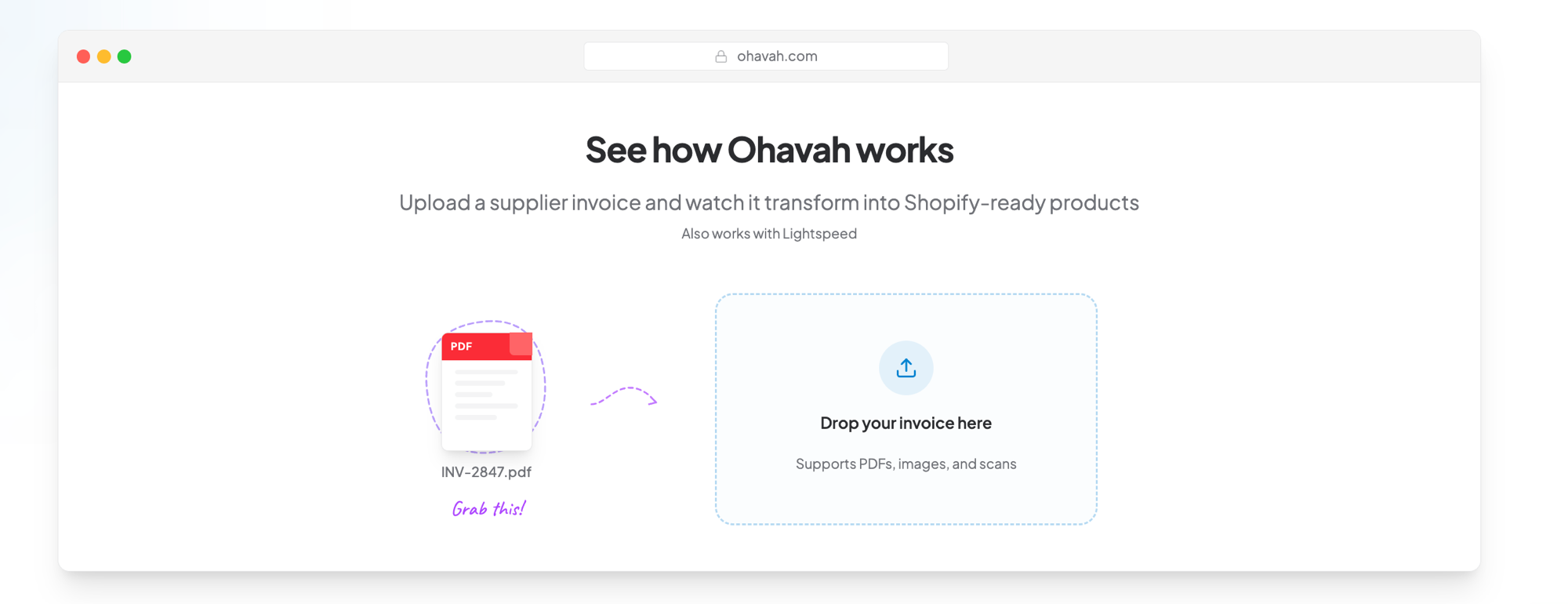
Ohavah helps with that last one, turning supplier invoices into Shopify-ready listings in minutes, so new product is selling the day it lands and your numbers tell the story you want your brands to see.
Turn supplier invoices into products instantly
Skip the manual data entry. Upload a PDF, get ready-to-import products.
Every brand has a mental list of their favorite accounts. It's not the same as their biggest accounts, and that surprises a lot of boutique owners. The stores a rep fights for when the last allocation of a bestseller comes up aren't always the ones writing the largest orders. They're the ones who are a pleasure to work with, the ones who make the rep's job easier and the brand look good, and who they trust to move product and pay on time. That trust is built out of a handful of ordinary habits, and none of them require a bigger open-to-buy.
If you've ever wondered why another store on your street seems to get the early access and the co-op dollars while you're finding out about drops the same day as everyone else, this is usually the difference. Size is rarely the deciding factor. What matters is being the kind of partner a brand wants to invest in, and any boutique can be that, starting with your next email to your rep.
Communication, kept simple
The single most common thing reps wish for is more communication, and the good news is that it's the easiest thing on this list to fix. You don't need a formal cadence or a monthly report. A quick text when a shipment lands, a note when something sells out fast, a heads-up when you're going to be slow to respond, all of it keeps you on your rep's radar in the best way.
Here's why it matters more than it seems. Your rep covers dozens, sometimes hundreds, of accounts, and they can only advocate for what they know about. A store that goes quiet between orders is a store they can't do much for, because they have no idea what's working on your floor. A store that sends a two-line update now and then is a store they can champion, because you're handing them the exact information they need to argue for your allocation and flag your wins to the brand. Keep it short and keep it regular. "That floral midi sold out in four days, send more if you can" does more for your account than a beautifully written email you send once a year.
Communication also protects you when things go sideways. If a ship date is going to hurt you, or cash flow is tight, or a delivery arrived damaged, the rep can almost always help, but only if you tell them early. The boutiques that get flexibility are the ones who raised the issue while there was still time to fix it, not the ones who went silent and hoped.
Honesty, even when it's awkward
The second thing brands value is honesty, and specifically the willingness to give real feedback when a collection didn't perform. A lot of boutique owners go quiet after a season that underdelivered, either because they don't want to seem negative or because they've already mentally moved on to the next brand. That silence is a missed opportunity for both sides.
When you tell a brand "the tops did great but the pants ran too large for my customers and I had to mark them down early," you're giving them something they can act on. They can adjust the fit, flag it to their design team, or steer you toward styles that suit your customer better next season. Feedback that goes into a void just means you order less next time and the rep is left wondering why. The brands worth building with want to hear it, and the relationship gets stronger every time you're straight with them.
Honesty runs the other way too, and it's fair to expect it back. A strong brand partner is upfront about distribution in your area, honest about which sizes and styles are actually going to ship, and clear about what's limited so you can buy decisively before it sells out for good. If your feedback is one-directional, or you're always the last to hear about problems, that tells you something about whether the partnership is worth deepening.
Relationship, built over seasons
The third piece is the one that ties the first two together: treating the brand relationship as something that compounds over time rather than a series of one-off transactions. Reps and brand teams have long memories. The store that showed up to the trunk show, tagged the brand on social, sent photos of the product styled on the floor, and paid every invoice on time is a completely different account in their mind than the store they only hear from when it needs a favor.
None of this is expensive. Tagging a brand when you post their product takes two minutes and gives their marketing team content they're hungry for. Attending a launch event or a virtual preview signals you're invested beyond just writing orders, and it's where you tend to hear about upcoming collections first. Paying on time sounds basic, and it is, but a surprising number of stores run late and quietly erode goodwill they don't realize they're spending. When allocation decisions come up, payment history and reliability are part of the conversation whether anyone says so out loud.
The payoff is a cycle that builds on itself. Better relationships mean better allocation, which means more bestsellers in stock, which means better sell-through, which makes the brand invest even more in your account. This is the same compounding effect behind how strong brand partnerships lead to better business, and it's a big part of what vendors notice about the stores that thrive. The deeper you know a brand's story, the more your team can pass on to customers too, which is why product knowledge sells better than any hard pitch.
The number underneath all of it
Communication, honesty, and relationship carry you a long way, but they all sit on top of one hard metric the brand is actually watching: your sell-through. It's the number that proves the rest. A store can be lovely to work with, but if the product doesn't move, the allocation dries up eventually. And sell-through depends on something a lot of boutiques overlook, which is how fast product goes from your back room to actually selling.
A shipment that sits in boxes for a week while you photograph, name, price, and list every piece is a week of full-price selling you gave away, and it drags down the exact number you want your brands to see. Your online store is a second location, and when it's not stocked, you're running the brand in one store instead of two.
You can see how real Ohavah boutiques keep their floor and their site in sync, in their own words, over on our customer stories. Here's Lacy from Willowmere Boutique:
Ohavah turns the supplier invoice for a shipment into ready-to-import Shopify listings in minutes, so new product goes live the day it lands instead of a week later. Faster listings mean stronger sell-through, and stronger sell-through backs up everything you tell your rep.
Being a great retail partner isn't complicated, and it isn't about being the biggest name on a brand's account list. Communicate simply, stay honest, show up over time, and move the product, and you become the store a brand looks out for when the good stuff is on the line.
Try Ohavah free for 7 days and see how faster product listings strengthen your sell-through with every brand you carry.